


Whenever work would take me out west, I found myself returning to the same place, the Highly Likely Cafe. It became one of those places I would stop into between meetings or before starting the day. Coffee, my usual off the menu, whether it was breakfast or lunch, and a hot sauce they make that I would buy in bulk if they’d let me.
I was later introduced to Kat Turner, the co-founder and chef behind Highly Likely, through Kerrilyn, a mutual friend and colleague, and founder of CAP Beauty — a tbcWMN thread pulled from a chapter in my life that I’ll expand on later.
One of the things I value most about this interview series is that the conversations are never random. They come from real moments in my life. Places I’ve spent time in. People whose work I’ve experienced firsthand. Connections that find their way back around at the right time. Each one becomes a chapter that informs the next.
In the conversation that follows, Kat shares the path that led her to the kitchen, what she’s learned from feeding people, her experience on Top Chef, and the contrasts that shape both her work and her life.
Before It Was This
ART: Everyone’s relationship with food starts long before it becomes a profession. What are some of the early experiences that shaped you?
KT: I grew up in Sturgeon Bay, a small rural town in Wisconsin situated on a peninsula that juts out into Lake Michigan. Good food was always around. It wasn’t fancy, it was just part of life. My mother was a wonderful cook and had a huge global cookbook collection, so even though we were in the middle of the Midwest, I was flipping through books about Moroccan food, Japanese food… I was traveling and eating from the far-flung corners of the earth before I ever had a passport. That curiosity stuck with me. Cooking felt normal and familiar in our house, but it also hinted at this much bigger world.
ART: When you look back, was there a moment when cooking shifted from something you loved into something you knew you wanted to build a life around?
KT: It actually happened almost by accident. I was working the register at a friend’s café in Silver Lake, one of many jobs I was doing at the time (acting, burlesque dancing, wardrobe styling, selling expensive underwear at Agent Provocateur…). One day, my friend burned her hand during a lunch rush and asked me to jump on the line. I stepped in, and something just clicked. From that moment on, I realized cooking professionally was part of my calling. Within six months, I had moved to NYC and was enrolled in the Natural Gourmet Institute, a program that would launch my career as a private chef.
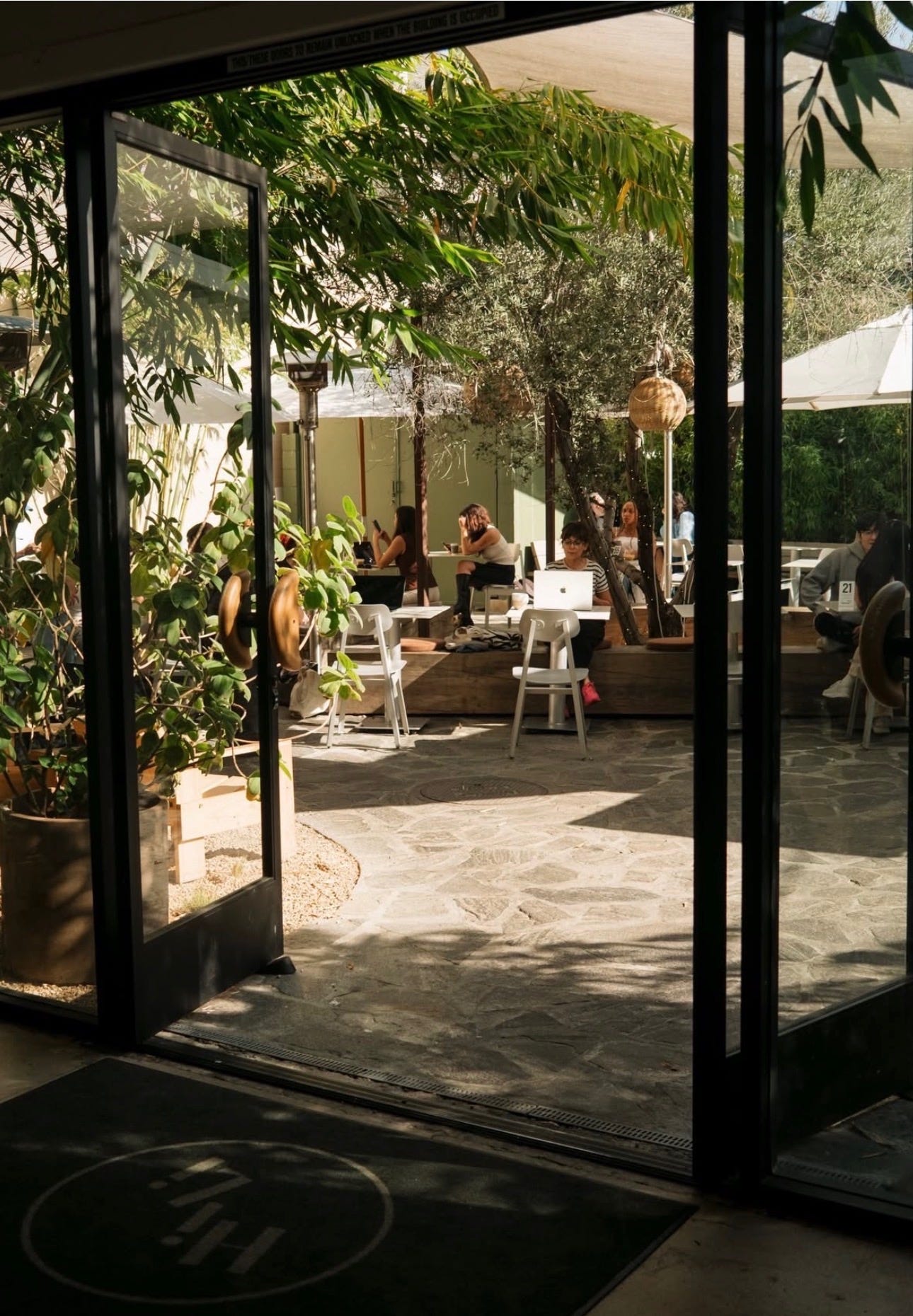
ART: I’ve spent time at Highly Likely, and what struck me was how many people seemed completely settled there, like they didn’t have somewhere else they needed to be. When you first opened, did you imagine people would experience the space that way?
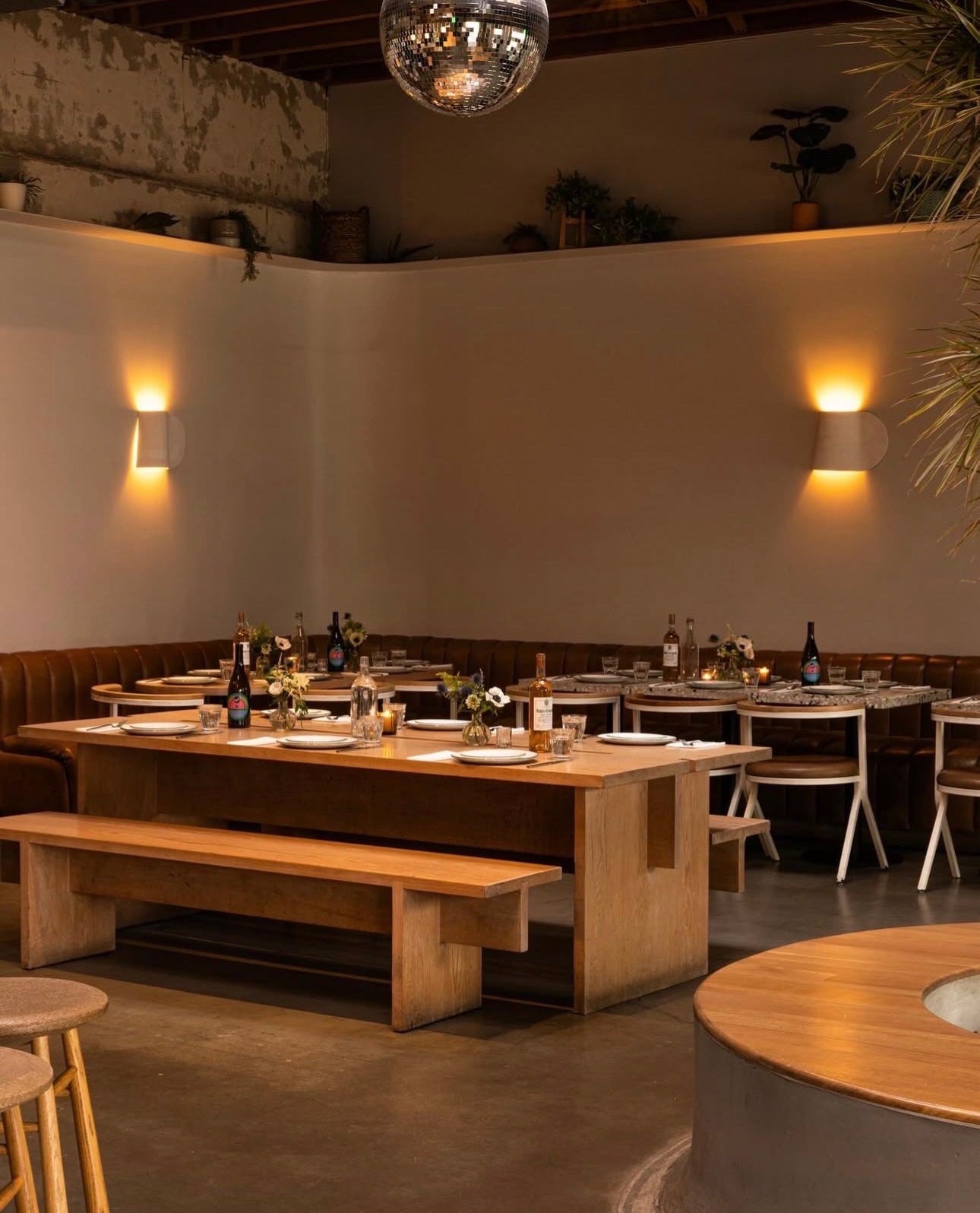
KT: When we opened, we were just praying that anyone would show up. But that was definitely the dream. We wanted Highly Likely to feel like a neighborhood spot, a place where people could come for coffee, stay for lunch, maybe come back later for wine. The idea was to make food that felt familiar and comforting, but also introduce people to new flavors. When guests come and pore over a good book, have a long catch-up with friends, or plot their new business ventures together over wine and deviled eggs, that’s when we know the space is doing exactly what it’s supposed to do.
A thought to sit with: What’s a part of your story that doesn’t seem to connect yet, but might later?
Inside The Work
ART: You spend a lot of time creating places where people spend time together. Where do you go when you want to be the guest instead of the host?
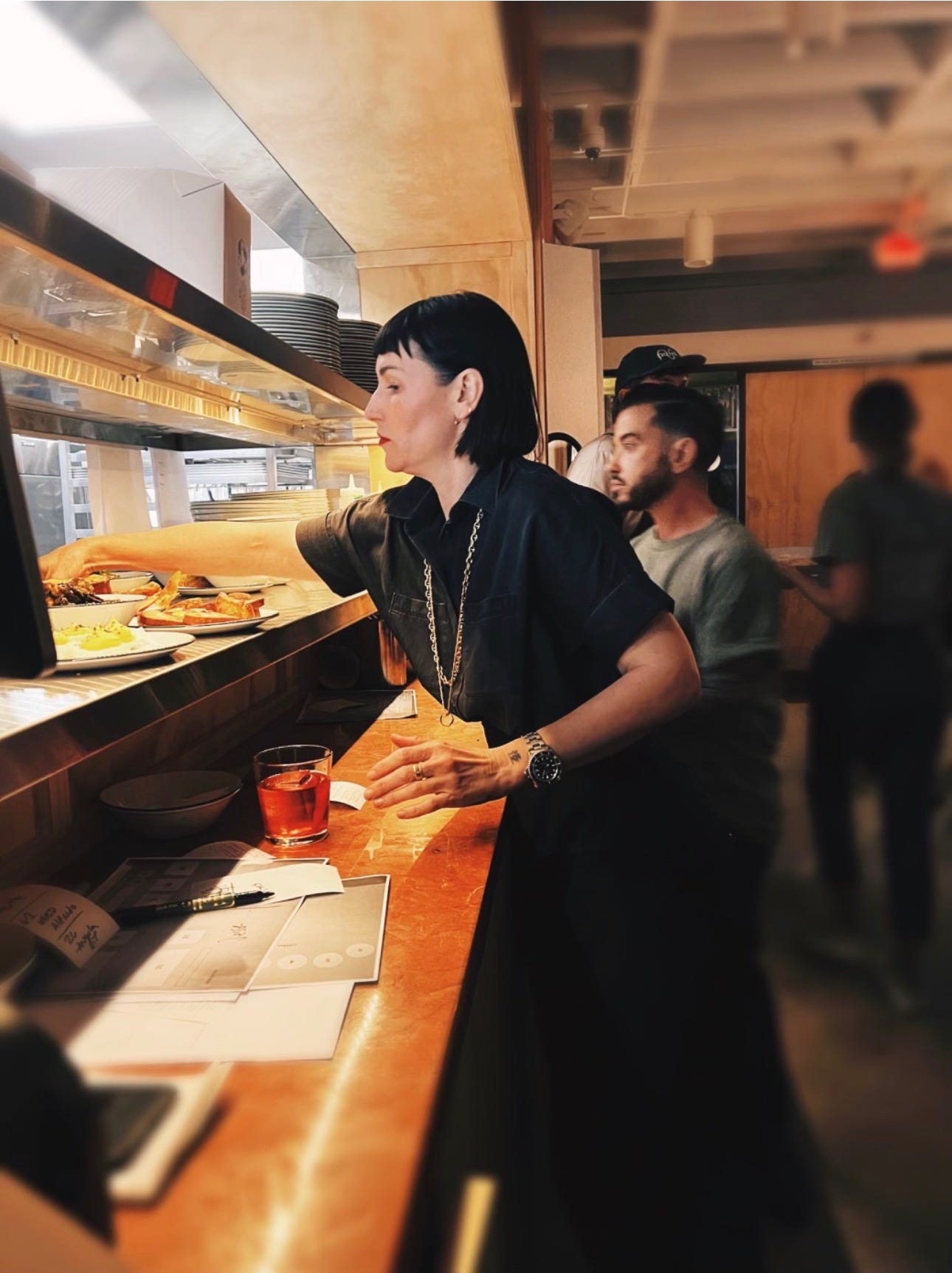
KT: Honestly, I’m drawn to places that feel easy. I spend so much time thinking about the mechanics of hospitality that when I go out, I just want to relax into it. Good lighting, unfussy food, and people who care about what they’re doing but aren’t taking themselves too seriously — that’s the sweet spot. I don’t really go out all that often, but when I do, I love to sit at the bar at literally any of the Hillstone group’s restaurants. Some other fantastic LA bar seats can be found at Republique, Found Oyster, Dunsmoor, Ronan, Barra Santos, and Tsubaki, to name a few.
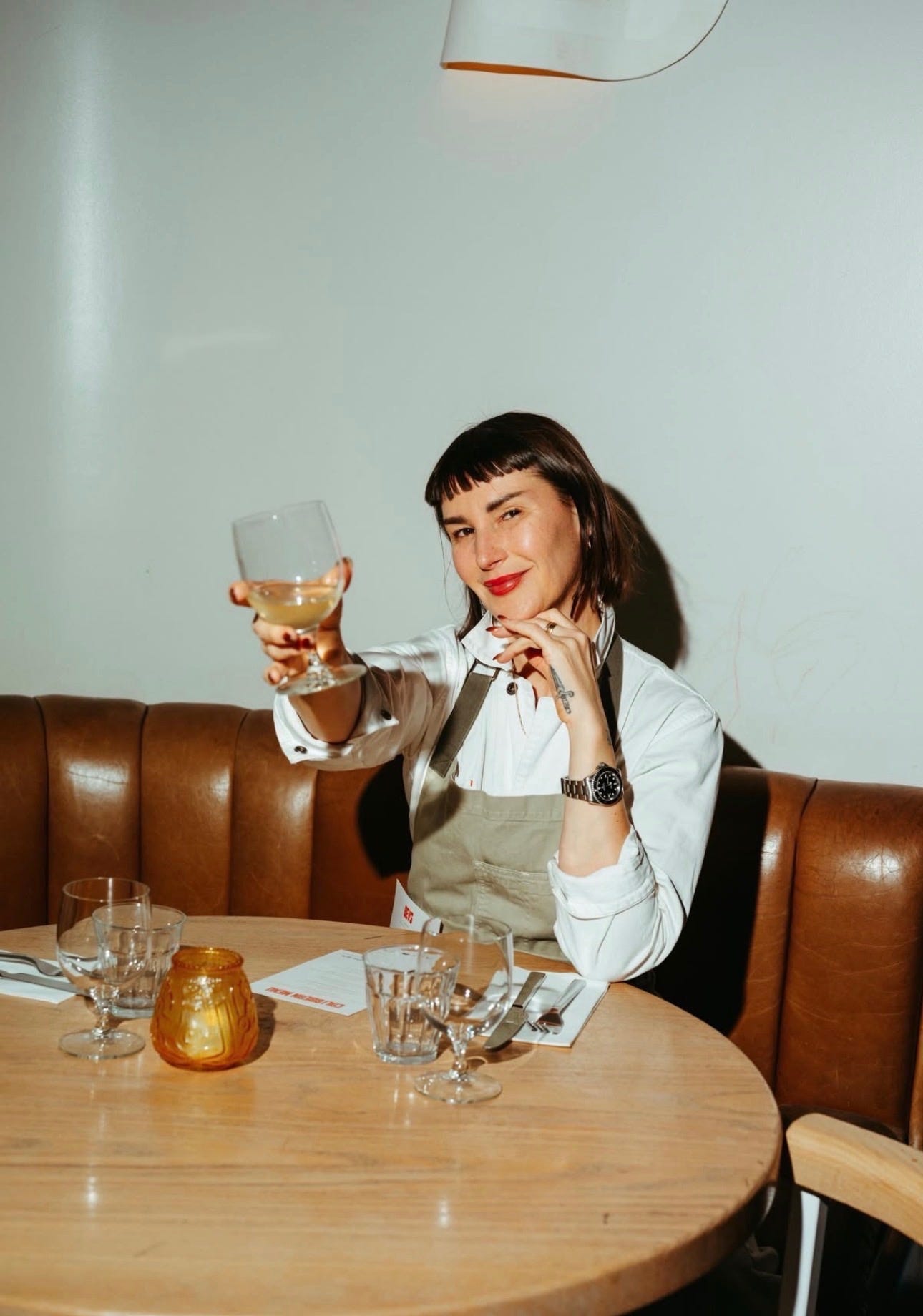
ART: This kind of work asks a lot physically and mentally. What helps you stay connected to the reason you started?
KT: For me, it always comes back to community. Cooking is creative, but it’s also an act of service. I have this innate desire to bring people together and nourish them. When you see a room full of people connecting over food in a space that you’ve helped bring to life, it brings you back to the core of why we do this work.
ART: Being both a creative and a business owner requires different instincts. How have you learned to hold those two sides at the same time?
KT: Running a restaurant has been one long learning curve. To be honest, it was never my dream to have my own place, but when we opened Highly Likely, I had incredible partners who understood operations and strategy, and more importantly, they believed in me. Over time, you realize those two instincts actually support each other — creativity keeps things alive, and structure keeps the lights on.
ART: You’ve collaborated with Flamingo Estate, which has such a clear perspective. What made that partnership feel right to you?
KT: Flamingo Estate is such a deeply creative environment. Richard and Harvey bring together groups of artists, cooks, and designers who just want to play with ingredients and ideas. That spirit of experimentation and storytelling really resonates with me, so it’s always felt like a natural fit. I adore how the brand balances the ideals of luxury and sensuality while remaining grounded and whimsical. In that regard, Flamingo Estate feels timeless yet perfectly current.
ART: When someone approaches you with an idea or a project, what makes you curious enough to say yes?
KT: I always say that if an opportunity doesn’t terrify you just a little bit, it’s probably not worth doing. Overcoming fear and anxiety is a crucial component of growth, so when I’m presented with something new and big, I sit with that feeling and investigate it.
A thought to sit with: Where in your life are you being asked to trust something before you fully understand it?
What Stays With You
ART: You stepped into the world of Top Chef after already building your own space and voice. What did that experience reveal about you that everyday life doesn’t always surface?
KT: A show like Top Chef isn’t just about cooking; it is an investigation into who you are as a person. You’re being asked on a daily basis why you deserve to be there, why you cook, and how you got there, and it’s all happening on camera. It forces you to dig deep and identify yourself, to give voice and definition to who you are in ways you don’t normally have to in everyday life. Additionally, shows like that strip everything down to instinct. You’re cooking without your kitchen, your team, or your normal rhythm. It forces you to trust your creativity and your intuition in a completely different way. It reminded me that even when things are chaotic, I know how to cook my way through it.
ART: When we spoke, you mentioned the idea of three types of fun, and it stayed with me. How did that idea come about for you?
KT: A dear friend related the three types of fun to me when we were talking about a particularly harrowing hike she had gone on, and it naturally related to restaurant work (or any challenging work, for that matter). For reference, Type 1 fun is fun while it’s happening. Type 2 fun is not fun while it’s happening, but fun afterwards. Type 3 fun is not fun while it’s happening or afterwards, but makes for a great story a year later when the trauma has worn off. While we do have actual fun, kitchens can often live somewhere between Type 2 and Type 3. Let’s just say I have a lot of great stories.
ART: When people see you now, what part of the journey do you think they’d be most surprised to learn about?
KT: Probably how nonlinear it’s been. I studied theater and fine art, was an actress and burlesque dancer, traveled the world as a private chef — none of it was a straight line. But all of those experiences shaped who I am and how I cook and create spaces.
ART: The idea of TBOYaficionado comes from the TomBOY spirit, that blend of contrasts. Strength and softness, structure and ease. Do you see that kind of juxtaposition in the way you approach your work or in who you are?
KT: Absolutely. I have always been a tomboy, and I love the push and pull of femininity and masculinity. Running a restaurant is a masterclass in these kinds of contrasts. You need precision and discipline, but you also want the space and the team to feel warm and relaxed.
ART: When you think about what’s ahead, what feels interesting or exciting to explore next?
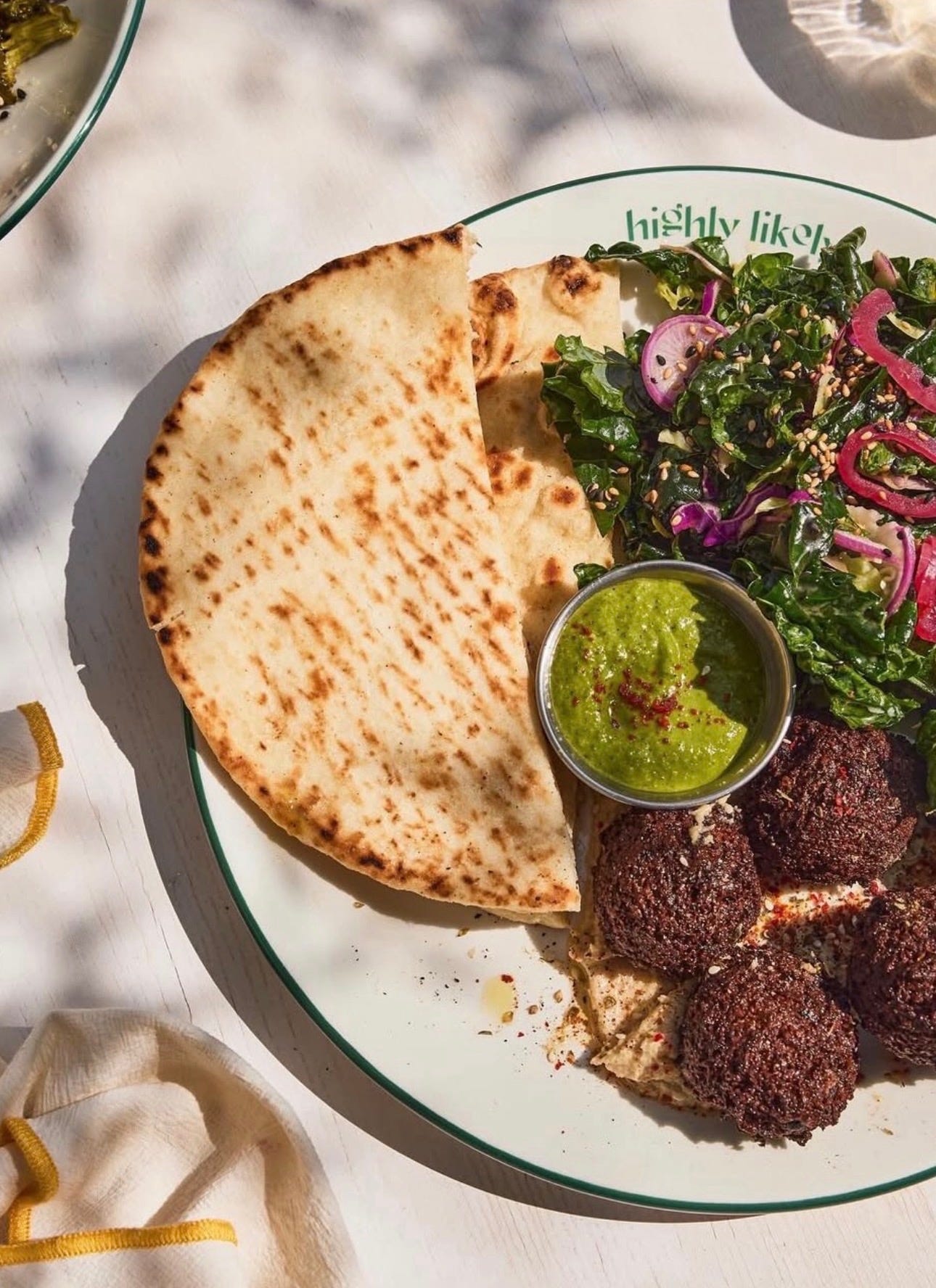
KT: I’m a performer at heart, so I’m always looking for opportunities to connect with a larger audience, whether that’s traveling to cook at events or appearing on TV, whatever gets me out there. I also love collaboration. Any time I get to cook with friends, new and old, it reignites my drive. That was one of the wonderful things about Top Chef — after it was all said and done, I had 14 new chef friends to cook with, and now we often travel to each other’s restaurants for events and pop-ups. And of course, the growth of Highly Likely. We are opening our fourth location in the Studio City neighborhood of Los Angeles in May and looking for a spot for number five. I’d love to see HiLi grow to be a beloved nationwide neighborhood institution. Highly Likely Milwaukee? Yes, please.
What Stayed With Me
What stayed with me most after this conversation was not just Kat’s path, but how she’s moved through it. There’s no straight line. No single version of who you’re supposed to be. Just a series of decisions, moments, and risks that begin to shape something over time.
And sometimes, the chapters that don’t seem to connect at all are the ones that give your work its point of view.
❤️!